济南济柴环能燃气发电设备有限公司
—— 燃料发电设备及机组相关配套设备及配件 ——
—— 燃料发电设备及机组相关配套设备及配件 ——
 全国服务热线:

全国服务热线:
 济南济柴环能燃气发电设备有限公司
联系电话:罗总18653152416
服务热线:0531-62325028
联系地址:中国(山东)自由贸易试验区济南片区孙村街道经十东路33688号章锦综合保税区联东U谷科创中心5号楼101
技术简介生物质气化发电技术是一种将生物质能转化为电能的方法,它通过气化过程将生物质废物(如木料、秸秆、稻草、谷壳、甘蔗渣等)转化为可燃气体,然后利用这些气体驱动内燃机发电。这项技术的关键在于生物质气化工艺、焦油处理及气体净化、焦油废水处理及其循环使用、燃气发电和系统控制技术等。技术分类
Technical Introduction: Biomass gasification power generation technology is a method of converting biomass energy into electrical energy. It converts biomass waste (such as wood, straw, rice straw, husks, sugarcane bagasse, etc.) into combustible gases through the gasification process, and then uses these gases to drive an internal combustion engine for power generation. The key to this technology lies in biomass gasification process, tar treatment and gas purification, tar wastewater treatment and recycling, gas-fired power generation, and system control technology. Technical Classification
1、按气化剂类型分类生物质气化技术按气化剂类型分类。其中,干馏气化其实是热解气化的一种特例。且由于干馏是吸热反应,应在工艺中提供外部热源以使反应进行。氧气气化则不需要提供外部热源,产品为热值为15000kJ/m3 的中热值气化气。空气气化由于N2的加入,使其可燃气成分含量降低,热值也随之降低在5000kJ/m3 左右,为低热值气体。氢气气化反应条件苛刻,需要在高温高压且具有氢源的条件下进行, 其气化气为热值高达22260~26040kJ/m3 的高热值气化气。2、按气化装置运行方式分类生物质气化技术按气化装置的运行方式分类,国内外已投入商业运行的气化方法主要有:固定床气化炉、流化床气化炉。固定床气化炉可分为下吸式、上吸式、横吸式和开心式。其中下吸式气化炉应用最广。生物质原料由炉顶的加料口投入炉内,气化剂(空气、氧气)可以由顶部进入,也可以在喉部加入。气化剂与物料混合向下流动, 在高温喉管区发生气化反应。下吸式气化炉主要特点是气化强度高(相对于上吸式),工作稳定性好,可随时加料;由于燃烧区在热解区与还原区之间,因而干馏和热解的产物都要经过燃烧区,在高温下裂解H2和CO,使得气化中焦油含量大为减少。流化床气化炉按气化炉结构和气化过程,可将流化床气化炉分为循环流化床、双流化床和携带床四种类型。按吹入气化剂的压力大小,流化床气化炉又可分为常压流化床和加压流化床。其中循环流化床由于其众多优点,适用于大型商业化运行。循环流化床是唯一在恒温床上反应的气化炉。气化反应在床内进行,焦油也在床内裂解。流化介质一般选用惰性材料(沙子)或非惰性材料(石灰或催化剂),可增加传热及清洗可燃气,适合水分含量大、热值低、着火困难的生物质燃料。循环流化床气化炉的主要缺点是入料需要预处理,产气中灰分需要很好的净化处理和部件磨损严重。典型操作条件为温度600℃,加工能力100kg/h,以杨木为原料时产气率可达65%。优点在于结构紧凑、传热速率高、气相停留时间短、有效抑制裂化,但是载气需求量大。气化产生的可燃气主要用来发电。生物质气化的发电技术有以下3 种方法:带有气体透平的生物质加压气化、带有透平或者引擎的常压生物质气化、带有朗肯循环的传统生物质燃烧系统。传统的生物质气化联合发电技术(BIGCC)包括生物质气化、气体净化、燃气轮机发电及蒸汽轮机发电。
1. Biomass gasification technology is classified by gasification agent type. Among them, dry distillation gasification is actually a special case of pyrolysis gasification. And since dry distillation is an endothermic reaction, an external heat source should be provided in the process to facilitate the reaction. Oxygen gasification does not require an external heat source, and the product is a medium calorific value gasification gas with a calorific value of 15000kJ/m3. Due to the addition of N2, the combustible gas content of air gasification decreases, and the calorific value also decreases to around 5000kJ/m3, making it a low calorific value gas. The hydrogen gasification reaction conditions are demanding and require high temperature, high pressure, and a hydrogen source. The gasification gas is a high calorific value gasification gas with a calorific value of 22260-26040kJ/m3. 2. Biomass gasification technology is classified according to the operation mode of gasification devices. The main gasification methods that have been put into commercial operation at home and abroad are fixed bed gasifier and fluidized bed gasifier. Fixed bed gasifiers can be divided into down suction, up suction, cross suction, and open core types. Among them, the down draft gasifier is the most widely used. Biomass raw materials are fed into the furnace through the feeding port on the top of the furnace, and gasifying agents (air, oxygen) can enter from the top or be added at the throat. Gasification agent and material mix and flow downwards, and gasification reaction occurs in the high-temperature throat area. The main characteristics of a down draft gasifier are high gasification intensity (compared to an up draft), good working stability, and the ability to add materials at any time; Due to the combustion zone being located between the pyrolysis zone and the reduction zone, the products of both dry distillation and pyrolysis must pass through the combustion zone, where H2 and CO are cracked at high temperatures, resulting in a significant reduction in tar content during gasification. According to the structure and gasification process of the fluidized bed gasifier, it can be divided into four types: circulating fluidized bed, double fluidized bed, and carrier bed. According to the pressure of the blowing gasifying agent, fluidized bed gasifiers can be divided into atmospheric fluidized beds and pressurized fluidized beds. Among them, circulating fluidized beds are suitable for large-scale commercial operation due to their numerous advantages. Circulating fluidized bed is the only gasifier that reacts on a constant temperature bed. Gasification reaction occurs in the bed, and tar is also cracked in the bed. Fluidized media are generally made of inert materials (sand) or non inert materials (lime or catalyst), which can increase heat transfer and clean combustible gases. They are suitable for biomass fuels with high moisture content, low calorific value, and difficult ignition. The main disadvantages of circulating fluidized bed gasifier are that the feedstock needs to be pretreated, the ash content in the produced gas needs to be well purified, and the components are severely worn. The typical operating conditions are a temperature of 600 ℃, a processing capacity of 100kg/h, and a gas production rate of up to 65% when using poplar wood as raw material. The advantages are compact structure, high heat transfer rate, short gas phase residence time, and effective suppression of cracking, but the demand for carrier gas is high. The combustible gas generated by gasification is mainly used for power generation. There are three methods for biomass gasification power generation: biomass pressurized gasification with gas turbine, atmospheric biomass gasification with turbine or engine, and traditional biomass combustion system with Rankine cycle. The traditional biomass gasification combined power generation technology (BIGCC) includes biomass gasification, gas purification, gas turbine power generation, and steam turbine power generation.
工艺过程生物质气化发电工艺包括3 个过程:①生物质气化,把固体生物质转化为气体燃料;②气体净化,气化出来的燃气都带有一定的杂质,包括灰分、焦炭和焦油等,需要经过净化系统把杂质除去,以保证燃气发电设备的正常运行;③燃气发电。目前,国际上有很多发达国家开展提高生物质发电效率方面的研究, 如美国Battelle(63MW)项目,欧洲英国(8MW)和芬兰(6MW)的示范工程。
The biomass gasification power generation process includes three steps: ① biomass gasification, which converts solid biomass into gaseous fuel; ② Gas purification, the gas produced by gasification contains certain impurities, including ash, coke, tar, etc., which need to be removed by a purification system to ensure the normal operation of gas power generation equipment; ③ Gas power generation. At present, many developed countries are conducting research on improving the efficiency of biomass power generation internationally, such as the Battelle (63MW) project in the United States, demonstration projects in the United Kingdom (8MW) and Finland (6MW) in Europe.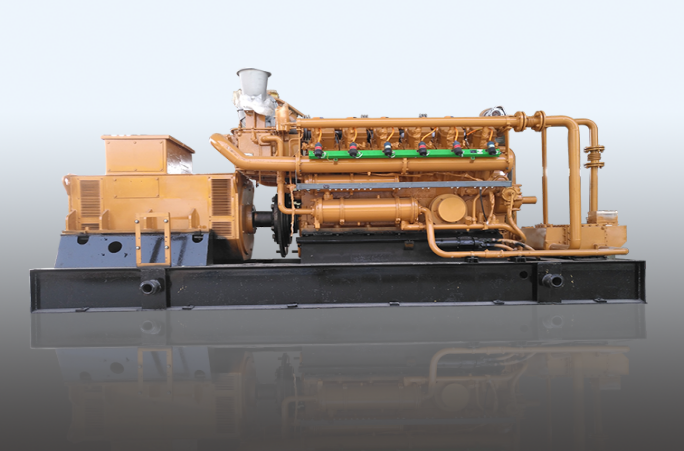
技术特点环保性:生物质气化发电过程中,可以通过控制气化条件减少污染物的生成,同时利用气化产生的灰渣作为肥料,实现了资源的综合利用。灵活性:该技术适用于不同规模的发电项目,从小规模的几百千瓦到大规模的数千千瓦,可以根据实际需求进行调整。经济性:虽然初期投资较大,但由于生物质资源丰富且价格低廉,长期来看,生物质气化发电的成本具有竞争力。应用前景随着全球对可再生能源需求的增加和环境保护意识的提升,生物质气化发电技术作为一种清洁、的能源转化方式,具有广阔的应用前景。特别是在农村和偏远地区,生物质气化发电可以有效解决电力供应不足的问题,同时促进当地经济发展和环境保护。
Technical characteristics and environmental friendliness: In the process of biomass gasification power generation, the generation of pollutants can be reduced by controlling the gasification conditions, and the ash generated by gasification can be used as fertilizer to achieve comprehensive utilization of resources. Flexibility: This technology is suitable for power generation projects of different scales, ranging from small-scale hundreds of kilowatts to large-scale thousands of kilowatts, and can be adjusted according to actual needs. Economy: Although the initial investment is large, the cost of biomass gasification power generation is competitive in the long run due to the abundant and inexpensive biomass resources. With the increasing global demand for renewable energy and the rising awareness of environmental protection, biomass gasification power generation technology, as a clean and efficient energy conversion method, has broad application prospects. Especially in rural and remote areas, biomass gasification power generation can effectively solve the problem of insufficient electricity supply, while promoting local economic development and environmental protection.

扫一扫了解更多

扫一扫了解更多


